Tag Archives: psychology

Making space for small joys in times of difficulty

The world context feels scary to me at the moment, with each day’s news bringing new and unpleasant surprises, and with the global political landscape seeming to shift at a more rapid pace than usual. Together with the greyness of the first months of the year, and a particularly lingering cough, I’ve found myself feeling at times that I am pinging between different responsibilities: those at work and those at home, with little energy for anything else. It’s made me think about a couple of different psychological ideas which I find helpful.

The first is Mark Freeston’s work on tolerating uncertainty, which I found helpful during the pandemic, when there was a lot of uncertainty around globally, and when personally I was also pregnant and managing the unknown-ness that comes with that. Freeston suggests that at times of uncertainty we can help ourselves by managing our information diet and focussing on very local signs of safety. Instead of getting news alerts, which can keep us in a continual state of anxiety, we can choose when and how to access news, and focus as well on small things that remind us that in the here and now we are safe. Whether that is a cup of coffee in our favourite mug, or taking a moment to stand outside and soak in what we can see and hear for a few minutes, or eating some food that we find comforting… small things consciously done throughout the day can make a difference to how safe we feel. I find this advice so helpful in a range of situations that I feel like I’m always returning to it!

For me, recently, I’ve been trying to use social media more intentionally (and thinking about which platforms I want to stay on or not). Which in turn has got me back on this blog as I feel like I’d like to use platforms that are a bit more in my control to share my writing. I’ve also been drinking my favourite tea (Cardamom Redbush) from a favourite mug (from my son which says mama on it). 

The second is an idea which comes from work on managing when we have too much to do. At times of pressure it can feel like we have to keep running, running, running, in order just to keep up with our own to do lists. Sometimes it isn’t possible to take a long break, but it can be possible to make sure that we have micro breaks, and to make sure we are doing some small things that bring us joy. 

I thought of this when I was coming out of the lurgy which felt like it lasted for 100 years, and when I finally felt well enough to return to swimming. I felt such happiness just from being in the water again, and it reminded me how important it is for me to make sure I go as regularly as I am able. 

I’m hoping that these three things: managing my information diet, finding signs of safety and moments of joy, will take me into the beginning of Spring in a good state of mind. That and the beautiful blue skies which I feel so grateful for. I hope they help you too if you give them a try. 

Resources

For more on these ideas there’s a podcast where I interview Mark Freeston here 

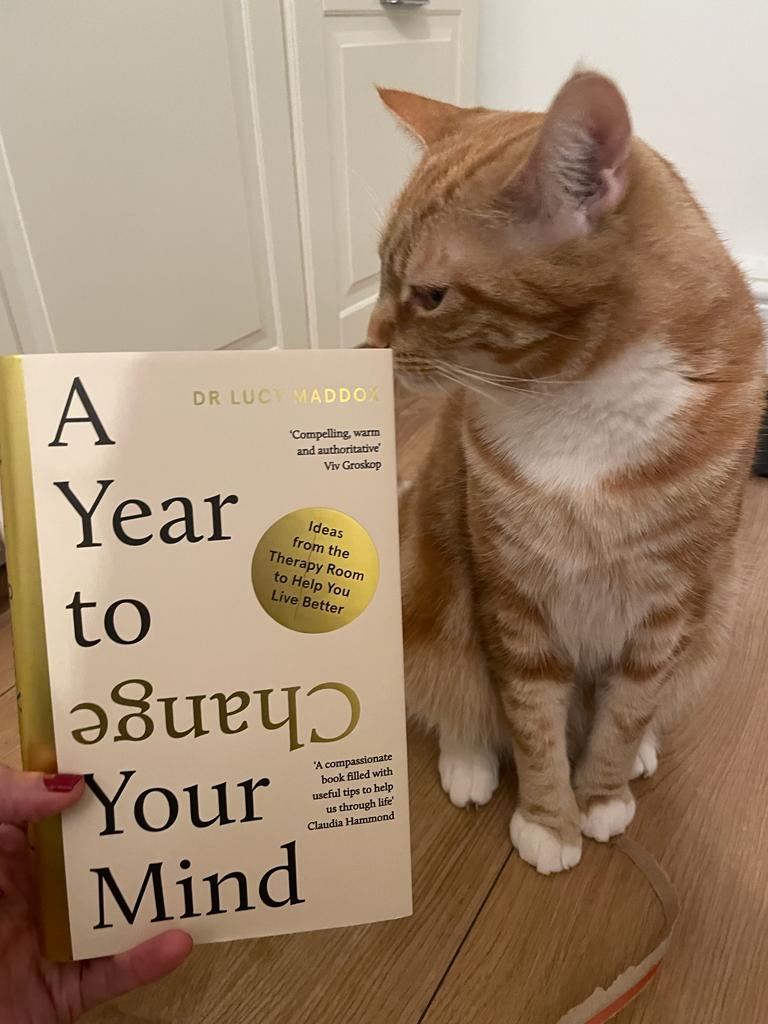
And both Mark Freeston’s work and the work on moments of joy is in my most recent book, A Year To Change Your Mind. You can read it or listen to an abridged version on BBC Sounds

I’m also writing a newsletter, where I share some of these ideas and others. If you’d like to sign up you can subscribe at www.lucymaddox.co.uk – I’d love to be able to email you like this and it’s all free – no subscriber tiers.
Festive greetings and update

Hello! And thank you, if you’re still following this blog, because I’ve let it languish in recent months. Since I last posted I have experienced a fair few major life events: having a baby, moving house, moving jobs, and also… writing a new book!

The book is aiming to share ideas from the therapy room which I think can help any of us day to day. It’s called A Year To Change Your Mind and it uses the framework of the twelve months to introduce different psychology concepts. Some of the ideas in it were first experimented with on this blog. I’ve mixed in some amalgamated examples from the therapy room and some of my own life experiences. You can read it or listen to me read it to you, as there’s an audio version as well, all available here and in your local bookshops. It feels really good to have it out in the world, although it’s always a bit scary the night before it comes out! If you do read it I’d love to know what you think. Amazon reviews etc make a really big difference, but feel free just to let me know too. 

I’ve been thinking of this month and its particular challenges… I don’t know how you feel about Christmas but for me it always feels a bit mixed. I wrote something about how ideas from psychology can be helpful at Christmas – it’s free to read here if you’re feeling the toll of the festive season. 

One more thing of mine to share – there’s a lot in the news about NHS staff at the moment, who with chronic underfunding have seen their pay and their work environments depleted to bare bones. This free to access research article is about some focus groups I ran with NHS staff working on mental health wards for teenagers, and the main finding was that the things they thought were important for compassionate care for patients were the same things they needed for themselves to be able to provide that care. There were 6 elements: emotional connection, a sense of being valued, attention to the whole person, understanding, good communication, and practical help/resources. Resources and a sense of being valued are very related to the current reasons for strikes. I’ve got my fingers crossed that the government will start engaging with the unions soon.  

I’d also like to recommend a book I’ve been reading (in amongst various illnesses which have been striking our household down)  – Claudia Hammond’s The Keys of Kindness. It’s a masterclass in writing and full of interesting studies and personal examples of kindness. I’d recommend. 

I am wishing you all a calm and enjoyable festive season. I’m looking forward to a Christmas lasagne on the day itself. I’ve a few events related to the new book coming up in the New Year if you happen to be in Bristol, Cheltenham or London, dates are below. I’ve also started writing a very occasional newsletter which you can sign up for on my website.

2023 Events

Jan

11.1 Bristol Book Launch at Bookhaus 

Feb

8.2 Cheltenham Alternative Book Club 

26.2 London The Sunday Papers Live

Too easy an excuse

Last Saturday’s front page Guardian was grim. “Revealed: just 1.5% of rape cases lead to summons.”

This refers to the number of reported rapes that result in a summons. The stat is worse than it was when, ten years ago, I was first involved in a piece of research which tried to better understand the huge attrition rate in rape cases.

At that time the stats were bad, only 6% of reported rapes went on to a successful prosecution. Today, those stats are even worse.

Continue reading

Genetics study findings signpost new lines of investigation for anorexia treatment

Anorexia nervosa is a condition with serious emotional and physical consequences. Emotional consequences include deep distress, isolation, and loss of pleasure in things that once were loved. Physical consequences can be long-term and severe, and in the worst case anorexia can be fatal. There are some treatments that help, but not everyone, and the problem remains in need of innovative interventions for the people experiencing the disorder and their families.

A new study just published in Nature Genetics brings hope of some new ways of approaching the disorder. Researchers have found eight genetic variations which are associated with greater risk of anorexia.

Continue reading

Resources for journalists who are interviewing people about sexual assault and trauma

I’m lucky enough to be in Lausanne at the World Conference of Science Journalists this week, on a panel about interviewing people who have experienced bullying, harassment, and sexual assault. It’s a responsible issue to be talking about and there’s lots of information to share.

This blog pulls together some resources for journalists who are interviewing people who have experienced something traumatic, and in particular sexual assault. Links are embedded throughout. I hope it’s useful.

Continue reading

Psychology Gogglebox

There’s been a run of programmes about different sorts of mental health problem recently, and different ways of helping. I had a week where I watched lots of them: Louis Theroux on experiences of postnatal depression and psychosis, Alistair Campbell on depression, Nadiya Hussain on anxiety and David Harewood on psychosis.

Just as mental health is a spectrum, so is its coverage. The purpose and filming practices of these programmes are in stark contrast to reality TV shows that have also been in the news lately, in relation to their effects on participant mental health:  Jeremy Kyle’s show in particular, but also Love Island.

Continue reading

What if PMs had job interviews?

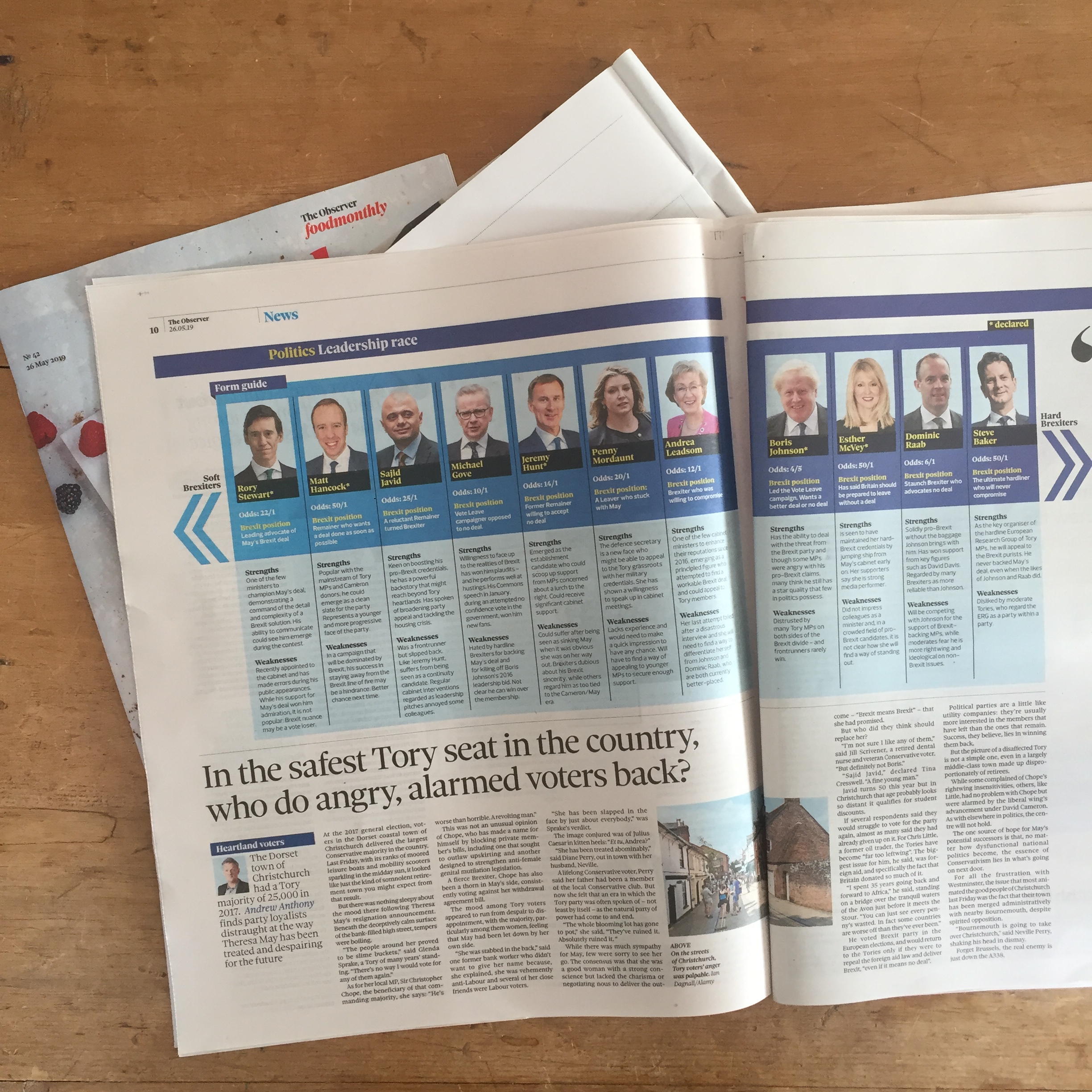
Leadership has been splashed all over the papers this long weekend, in various contexts, one of them being the ever-increasing numbers putting their hand up to be considered in the running for leader of the Tory party and the top job in government.

It’s a funny type of recruitment process.

Continue reading

What can we learn from Eighth Grade?

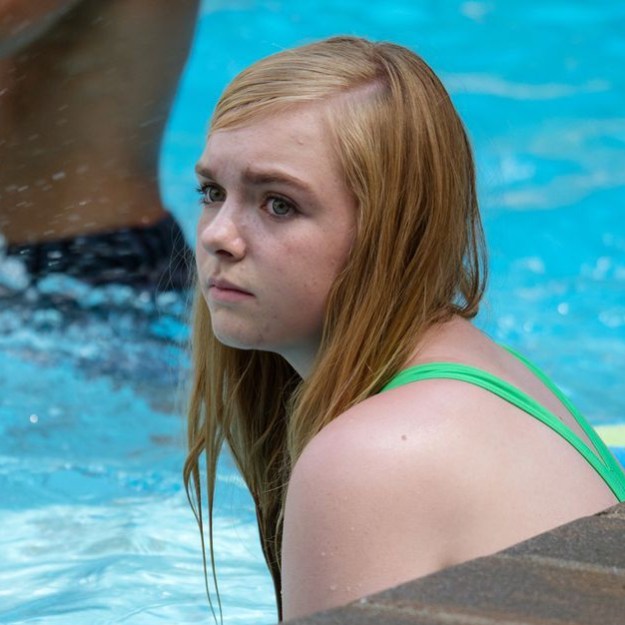
This image has an empty alt attribute; its file name is pool-party-e1557175344515.jpg

I watched Eighth Grade last week. It’s a cracker of a film – and it has Enya in the soundtrack (personal teenage fave). One of the things I liked so much was how brilliantly it captures the awkwardness that I remember from a lot of situations you have to endure as a teenager. There’s a great example of this in a pool party that the main character goes to – and the whispered phone call she makes to her dad to come and get her.

Continue reading