Tag Archives: psychology

Why is our inner critic often so harsh? And what can we do about it?

I saw the film Birdman recently, where Michael Keaton’s critical alter ego looms so large as to become quite corporeal (and visually reminiscent of the amazing wings in the Digital Revolution exhibition described below). It got me thinking about the idea of the inner critic, how difficult inner criticism can be to live with, and what solutions contemporary talking therapies have to offer us. Continue reading

Virtual reality boosts self-compassion

Experimental set-upVirtual reality, in the form of a unique avatar-based experience, can help people be less self-critical and more self-compassionate, scientists have found. The new study published in PLOS ONE showed positive results in naturally self-critical individuals and is now being tested in people experiencing depression. Continue reading

Computer games: fun or wrong?

Baroness Susan Greenfield’s recent book, ‘Mind Change‘, has brought familiar arguments about whether or not computers are a bad influence into the media spotlight again. Greenfield takes an anti-digital stance, which worries about the effects of video games, social media and search engines. Continue reading

British Psychological Society aims to influence policy more

The British Psychological Society have published their strategic plan for 2015-2020 and it’s good to see that it includes the aim to maximise the impact of psychology on public policy. A great example of psychology influencing policy was the collaboration between psychologists and government after the London terrorist attacks on July 7th 2005, when psychological research and clinical expertise informed the crisis response. Continue reading

Top ten psychology apps

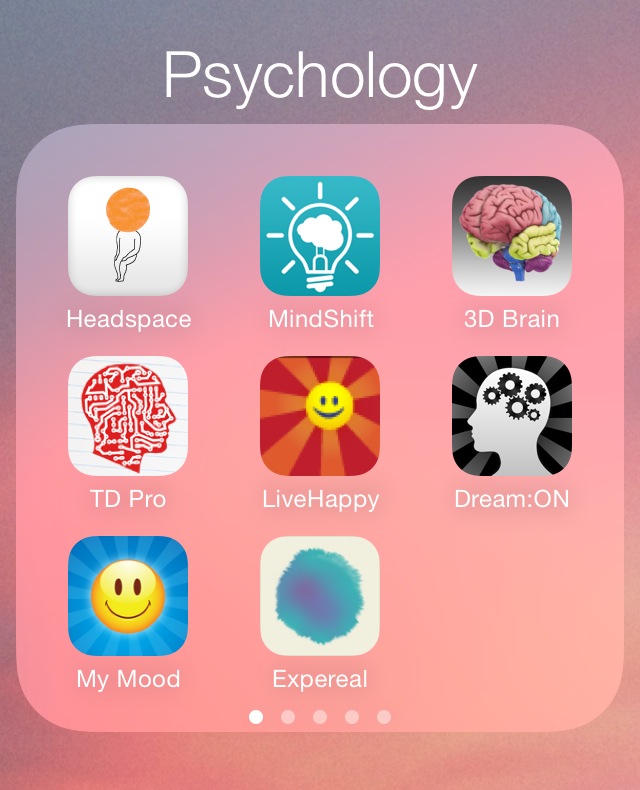
IMG_5986It can be a conversation killer to tell people you’re a psychologist. “Do you go round analysing people?” is a common response. “Are you reading my mind?” is another. Psychology is very people focused. It’s all about us: why we do things, who we are, what we think and feel and how our minds, brains and bodies interact. While this can be disconcerting if you think someone is reading your mind (we’re really not, we’re too busy worrying about our own), there is something intriguing about reflecting on our own and others’ motivations. Continue reading